
New ISOTIS chapter: The place of religious and non-religious values and beliefs in identities of mothers of young children
ISOTIS researchers Lyudmila Nurse, Kateřina Sidiropulu-Janků, and Jana Obrovská, with colleagues, publish chapter The place of religious and non-religious values and beliefs in identities of mothers of young children: Methodological approach and empirical evidence from the European comparative perspective
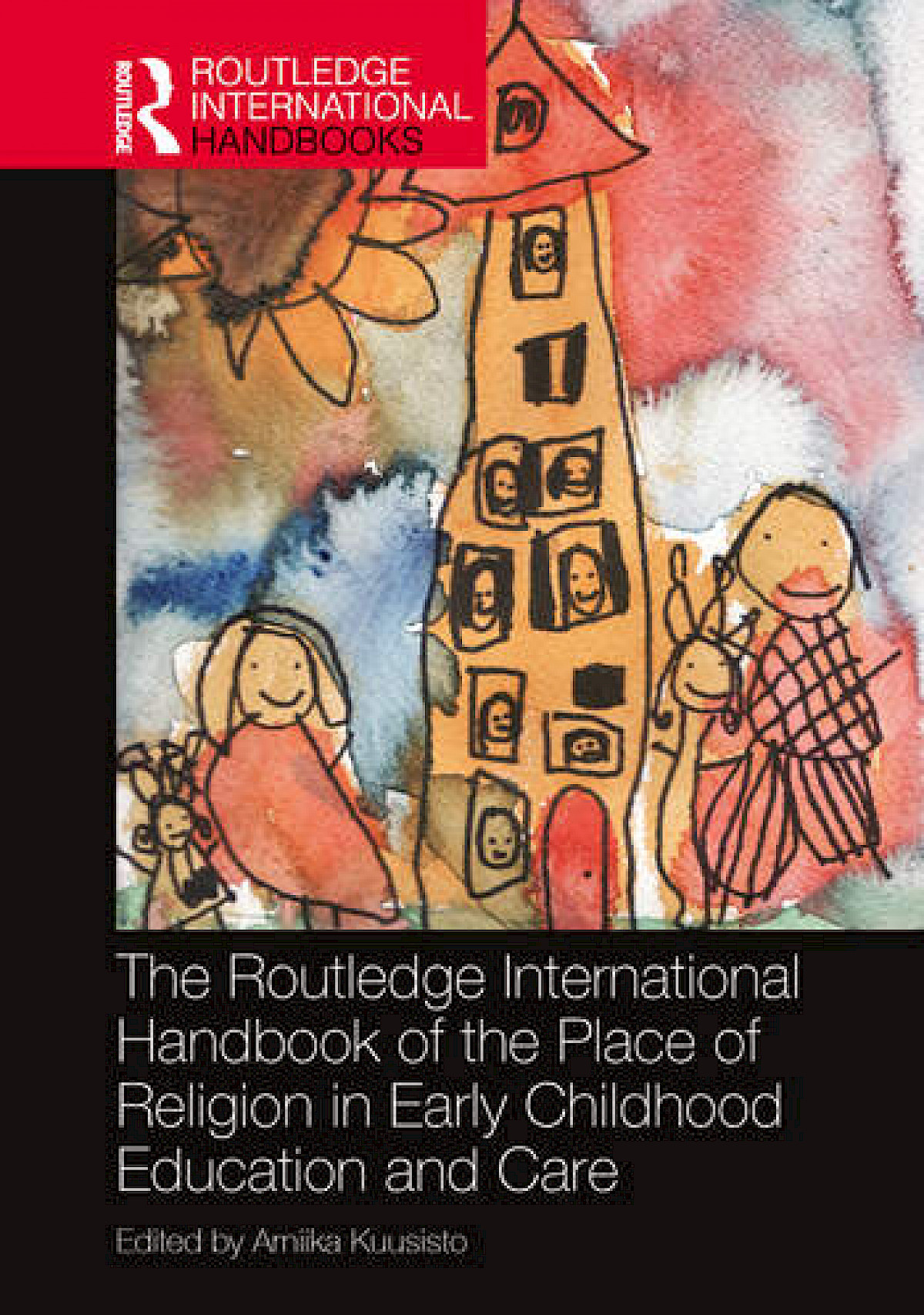
ISOTIS researchers Lyudmila Nurse, Kateřina Sidiropulu-Janků, and Jana Obrovská, with colleagues, publish chapter The place of religious and non-religious values and beliefs in identities of mothers of young children: Methodological approach and empirical evidence from the European comparative perspective in the The Routledge International Handbook of the Place of Religion in Early Childhood Education and Care, edited By Arniika Kuusisto.
This international handbook provides a comprehensive overview of the place of religion in the societal educational arenas of the very youngest children across the globe. Drawing together contributions from leading international experts across disciplinary backgrounds, it offers a critical view of how to approach the complexities around the place of religion in Early Childhood Education and Care.
The objective of the chapter is to demonstrate the methodology of a qualitative study of religious beliefs and values as part of identities of mothers of young children. The place of mothers’ own worldviews and faith as part of their identities is crucial in understanding ways they develop and undergo changes and how their religious or non-religious identities influence developing children’s religious views and worldviews. The authors focus on the narratives of mothers with younger children (three to six years old) and describe the methodology and key aspects of implementation of a thematic comparative study with three target groups of mothers: native-born, immigrants and Roma minority in four European countries. The qualitative comparative study based on this methodology was part of the ISOTIS project and shared theoretical methodological framework of Bronfenbrenner’s bio-ecological model of human development.